You might be scratching your head and wondering: why on earth is canola oil in the “scam” section of Curious Wolf’s Food Preparation and Manufacturing Worldwide page? Since it had a pretty good review on Curious Wolf's blog.
But one phrase in the conclusion I came across made me pause:
“Current evidence suggests that canola oil is a safe and healthy choice when used in moderation as part of a balanced diet.”
That word—moderation—deserves a closer look. So let’s dive in.
🧮 How Much Canola Oil Are We Actually Using?
According to Healthline, over 70% of global canola oil use is by the food industry. It’s cheap, has a neutral taste, and is seen as “heart-healthy” due to its low saturated fat content. More than 80% of processed food products on the shelves contain it. Fast food outlets? Around 60% of them use it for frying and cooking.
Canola Oil Usage in Australia
Here in Australia, we’re not shy either. We crush about 550,000 to 650,000 tonnes of canola oil a year, most of which ends up in our food or gets exported. A third is used in consumer products like spreads and oils; the other two-thirds go straight to commercial kitchens ( GRDC).
🍪 Seed Oils in Processed Foods
It’s not just canola. Oils like soybean, sunflower, and corn are mainstays in baked goods, margarine, dressings, and snack foods. They’re cheap and have a long shelf life—great for manufacturers, but are they great for us?
Let’s see how much and what types of seed oil people are consuming in different countries:
- 🇺🇸 United States: Soybean oil dominates with approx. 90% of seed oil consumption. Per capita, people consume 12.5 kg of soybean oil and 3.5 kg of canola oil annually.
- 🇨🇦 Canada: As a major producer, Canadians consume about 5 kg of canola oil per capita. Soybean oil use is lower at around 2 kg per person.
- 🇦🇺 Australia: Australians consume approx. 4 kg of canola oil annually, with 1.5 kg of sunflower oil and 1 kg of soybean oil per person.
- 🇪🇺 European Union: Rapeseed (canola) oil is the most consumed at 6 kg per capita. Sunflower oil follows at 4 kg, and soybean oil trails at 1.5 kg.
- 🇯🇵 Japan: Soybean oil leads with 8 kg per capita. Canola oil sits around 2 kg annually per person.
📊 Summary Table for Seed Oil Consumption
| Country | Soybean (kg) | Canola (kg) | Sunflower (kg) | Total Seed Oils (kg) |
|---|---|---|---|---|
| USA | 12.5 | 3.5 | 1.0 | 17.0 |
| Canada | 2.0 | 5.0 | 1.0 | 8.0 |
| Australia | 1.0 | 4.0 | 1.5 | 6.5 |
| EU | 1.5 | 6.0 | 4.0 | 11.5 |
| Japan | 8.0 | 2.0 | 0.5 | 10.5 |
❓ What Is the Problem?
I consume over 100 kg of meat, dairy, and vegetables annually.
Is consuming 6.5 kg of these oils annually a problem?
Well, meat, dairy, and vegetables are mostly unprocessed foods; even ham and bacon are processed but closer to fermentation, while seed oils are highly processed.
Let’s look at the manufacturing process of seed oils to find anything that could produce any health issues:
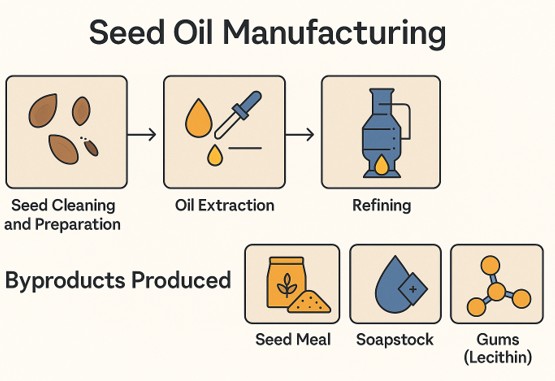
The Manufacturing Process
Let’s take a peek behind the curtain. How are these seed oils made?
- Cleaning & Preparation: Seeds are cleaned and often dehulled or flaked.
- Extraction:
- Mechanical pressing yields 60–70% of the oil.
- Solvent extraction uses hexane, a chemical solvent, to draw out nearly all remaining oil.
- Refining:
- Degumming removes gums.
- Neutralisation strips free fatty acids.
- Bleaching lightens the colour.
- Deodorisation uses steam at up to 260°C.
At those high temps, trans fats can form—and so can nutrient loss.
Byproducts include:
- Seed meal (animal feed)
- Soapstock (used in soaps)
- Lecithin (emulsifier)
- And possibly residual hexane (yikes)
For more on this, check out SeedOilNews.com.
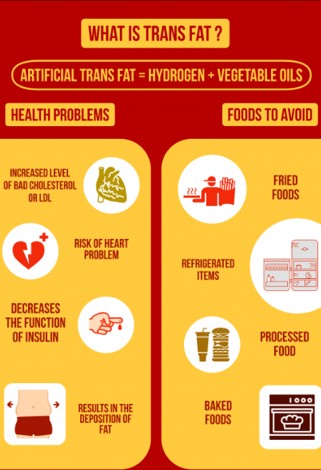
What Are Trans Fats?
Trans fats are a type of unsaturated fat with at least one double bond in the trans configuration. They exist in two forms:
- Naturally Occurring Trans Fats: Found in small amounts in dairy and meat from ruminant animals due to bacterial fermentation in the stomach.
- Artificial Trans Fats: Created during industrial hydrogenation of vegetable oils to produce partially hydrogenated oils, which are used in processed foods for texture and shelf life.
⚠️ Trans Fats: The Hidden Threat
Trans fats come in two flavours:
- Natural trans fats – present in small amounts in meat and dairy.
- Artificial trans fats – created during hydrogenation of vegetable oils, used in margarine, baked goods, snacks, and ultra-processed foods.
Even though most countries have banned partially hydrogenated oils, some refining processes still introduce trace amounts.
| Oil Type | Trans Fat % | Notes |
|---|---|---|
| Cold-Pressed Canola | 0% | No concern here |
| Refined Canola | 1.9–3.6% | From high-temp refining |
| Refined Soybean | 0.68–1.51% | Depends on method |
| Partially Hydrogenated | 10–60% | Still found in some ultra-processed foods |
How the Body Processes Trans Fats
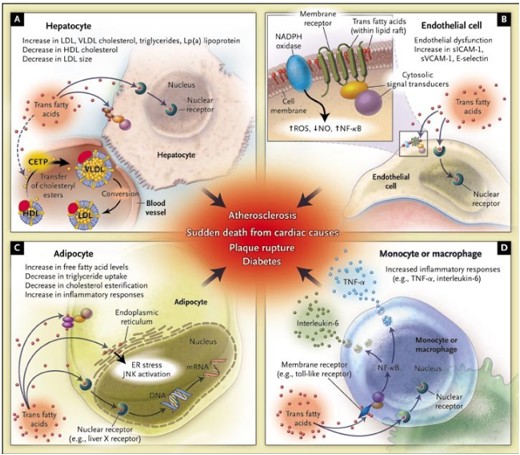
- Absorption in the Gut:
- Trans fats are broken down into fatty acids and monoglycerides in the small intestine with the help of bile salts and pancreatic enzymes.
- These components are absorbed by enterocytes (intestinal cells) and reassembled into triglycerides.
- They are packaged into chylomicrons and enter the lymphatic system, then the bloodstream.
- Transport and Storage:
- Chylomicrons deliver trans fats to tissues (muscle, fat, liver) where they’re used for energy or stored in adipose tissue.
- Unlike beneficial unsaturated fats, trans fats can:
- Alter the composition of cell membranes, reducing fluidity and disrupting normal cell function.
- Interfere with essential fatty acid metabolism by competing with natural cis-unsaturated fats for incorporation into tissues.
- Metabolic Effects:
- Increase LDL (“bad”) cholesterol levels by altering liver LDL receptors, reducing clearance from the bloodstream.
- Reduce HDL (“good”) cholesterol, which helps remove excess cholesterol from cells and arteries.
- Promote inflammation by activating inflammatory pathways and increasing pro-inflammatory cytokines.
- Increase insulin resistance by altering lipid metabolism and interfering with insulin signalling.
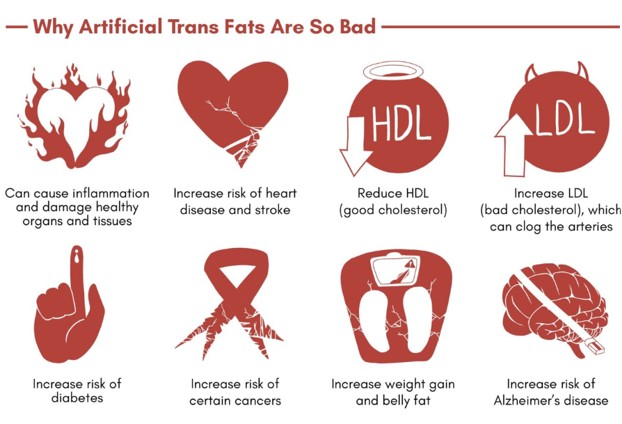
Health Consequences of Trans Fats
- Atherosclerosis: Trans fats contribute to plaque buildup in arteries, raising heart disease risk.
- Inflammation: Chronic low-grade inflammation linked to trans fat consumption raises risks of type 2 diabetes, obesity, and metabolic syndrome.
- Endothelial Dysfunction: Trans fats impair the lining of blood vessels, leading to poor vascular health.
- Cancer Risks: Emerging evidence suggests a possible link between trans fats and certain cancers, though more research is needed.
It is evident that trans fats are not good for your health. So, what foods do we need to avoid?
📝 Trans Fat-Rich Foods to Avoid
🚫 Partially hydrogenated oils found in:
- Margarine and shortening
- Packaged baked goods (biscuits, pastries, pies)
- Fried fast foods (e.g. fried chicken, French fries)
- Snack foods (crisps, crackers)
- Non-dairy coffee creamers
- Some microwave popcorns
- Frozen pizza and processed doughs
📊 Comparison Table: Trans Fat Levels in Common Seed Oils
| Oil Type | Trans Fat Content (% of total fat) | Notes |
|---|---|---|
| Cold-Pressed Canola Oil | 0% | Minimal processing; negligible trans fats. |
| Refined Canola Oil | 1.9%–3.6% | Trans fats form during refining. |
| Refined Soybean Oil | 0.68%–1.51% | Varies with processing methods. |
| Refined Sunflower Oil | 0.5%–1% | Low trans fat content. |
| Partially Hydrogenated Oils | 10%–60% | High trans fats due to hydrogenation. |
These oils are commonly found in supermarkets. Due to modern processing and regulations, the trans-fat content is very low in non-hydrogenated oils, typically 0.5–2% of total fat content (sometimes even lower, around <0.5%). Variability depends on the degree of refining, heat exposure, and storage conditions.
🏭 Partially Hydrogenated Seed Oils
- These are industrially processed oils, where hydrogenation is used to solidify the oil for margarine, shortening, or processed snacks.
- Trans fat content here can range from:
- 10%–60% of total fat (with an average around 20–40% depending on the product).
🚨 Global Regulations
- Many countries (including the USA, EU, Australia) have banned or severely restricted the use of partially hydrogenated oils in food manufacturing.
- As a result, most seed oils on the shelf today are refined oils with minimal trans fat content.
📊 Summary Table
| Seed Oil Type | Average Trans Fat % (by total fat) |
|---|---|
| Refined (non-hydrogenated) | 0.5%–2% |
| Partially hydrogenated oils | 10%–60% |
🧮 What Is the Amount of Trans Fats We Are Consuming?
Looking at the maximum of 2% trans fat in seed oil purchased in supermarkets, the average per capita seed oil consumption is:
- USA: 17 kg – the highest worldwide
- Australia: 6.5 kg – the lowest among major consumers
This results in estimated trans fat intake of:
- USA: Up to 340 g annually
- Australia: As low as 32.5 g annually
- Global Range: Approximately 32.5–340 g per capita
Even at the upper end, this equates to less than 1 gram per day. But what exactly are we consuming? Let’s explore the key components of seed oils.
🌿 Components of Seed Oils
1. Fatty Acids
Seed oils are primarily composed of triglycerides, which consist of various fatty acids. The balance varies by seed type.
- Polyunsaturated Fatty Acids (PUFAs): Linoleic acid (omega-6) and alpha-linolenic acid (omega-3)
- Monounsaturated Fatty Acids (MUFAs): Such as oleic acid
- Saturated Fatty Acids (SFAs): Such as palmitic and stearic acids
Example: Grape seed oil contains approx. 69.6% linoleic acid and 15.8% oleic acid.
2. Tocopherols (Vitamin E)
Tocopherols are natural antioxidants that contribute to the stability and nutritional value of seed oils.
Example: Pumpkin seed oil can contain up to 800 mg/kg of γ-tocopherol.
3. Phytosterols
Phytosterols are cholesterol-like plant sterols that can reduce cholesterol absorption in the human body.
Example: Pumpkin seed oil contains notable levels of D7-sterols and other phytosterols.
4. Carotenoids
Carotenoids are pigments with antioxidant properties that also contribute to the colour of the oil.
Example: Pistachio oil contains carotenoids such as lutein and β-carotene.
5. Phenolic Compounds
Phenolic compounds possess antioxidant properties and contribute to seed oils' health benefits. Seed oils are rich in phenolic compounds, including flavonoids and phenolic acids, which have been implicated in preventing chronic diseases.
🔬 Comparison of Trans Fats vs. Saturated and Unsaturated Fats in the Body
| Feature | Trans Fats | Saturated Fats | Unsaturated Fats |
|---|---|---|---|
| Structure | Unsaturated fats with trans double bonds | No double bonds (fully saturated) | Unsaturated with cis double bonds |
| Digestion & Absorption | Same as other fats | Same as other fats | Same as other fats |
| Membrane Effects | Decrease membrane fluidity and disrupt function | Increase rigidity (but not as severely) | Increase fluidity, support normal function |
| Cholesterol Impact | Increase LDL, decrease HDL | Increase LDL, neutral effect on HDL | Decrease LDL, increase HDL |
| Inflammation | Promotes chronic inflammation | Can promote if excessive | Anti-inflammatory (esp. omega-3s) |
| Energy Storage & Use | Disrupts metabolism | Stored and used as fuel | Stored and used efficiently |
| Health Impact | High risk of heart disease, diabetes | Moderate risk, depends on source | Protective, especially omega-3s & MUFAs |
Source: LipidWorld – Fat Types & Metabolic Health
🧬 Fatty Acid Types Compared
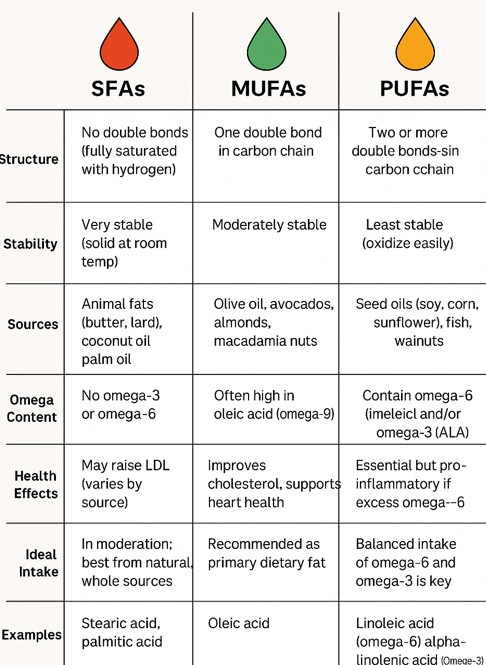
| Feature | Saturated Fat | Monounsaturated Fat | Polyunsaturated Fat |
|---|---|---|---|
| Structure | No double bonds | One double bond | Two or more double bonds |
| Stability | Very stable | Moderately stable | Least stable (oxidises easily) |
| Sources | Animal fats, coconut oil | Olive oil, avocados, almonds | Seed oils, fish, walnuts |
| Omega Content | No omega-3/6 | High in omega-9 | Rich in omega-6 and/or omega-3 |
| Health Effects | May raise LDL (varies) | Improves cholesterol, heart-healthy | Essential, but excess omega-6 is pro-inflammatory |
| Ideal Intake | In moderation from natural sources | Recommended primary fat source | Balanced intake needed |
| Examples | Stearic, palmitic acid | Oleic acid | Linoleic, alpha-linolenic acid |
🩺 Health Implications
- Saturated Fats (SFAs):
- Controversial; older data linked them to heart disease.
- Stearic acid (e.g., in beef, cocoa) appears neutral.
- Monounsaturated Fats (MUFAs):
- Lower LDL, raise HDL, reduce inflammation.
- Key component of Mediterranean diet.
- Polyunsaturated Fats (PUFAs):
- Omega-3s are anti-inflammatory (e.g., EPA, DHA in fish).
- Omega-6s promote inflammation in excess, common in seed oils.
Summary Table: Fat Types
| Fat Type | Best Sources | Health Role | Caution |
|---|---|---|---|
| SFA | Grass-fed meat, butter | Energy, cell membranes | Limit industrial sources |
| MUFA | Olive oil, avocado, nuts | Cardiovascular protection | Very beneficial |
| PUFA | Fish, flax, walnuts | Brain, heart, hormone production | Avoid excess omega-6 from seed oils |
🧬 What Is the Omega-6 to Omega-3 Ratio?
- Omega-6 (e.g., linoleic acid) = seed oils and processed foods
- Omega-3 (e.g., ALA, EPA, DHA) = flaxseed, walnuts, fish, grass-fed meat
- Historic human diet: ~1:1 ratio
- Modern Western diet: 10:1 to 25:1 (heavy on omega-6)
⚖️ Health Implications of a High Omega-6 to Omega-3 Ratio
🔥 1. Chronic Inflammation
- Promotes pro-inflammatory eicosanoids
- Increases risk of:
- Heart disease
- Arthritis
- Type 2 diabetes
- Alzheimer’s disease
❤️ 2. Cardiovascular Disease
- High omega-6 increases:
- LDL oxidation
- Clotting tendency
- Reduces vascular tone
- A balanced ratio improves:
- Blood pressure
- Lipid profiles
- Endothelial function
🧠 3. Mental Health and Brain Function
- Omega-3s (especially DHA) vital for neurons
- Imbalance linked to:
- Depression
- Cognitive decline
- ADHD, mood disorders
🍔 4. Obesity and Metabolic Dysfunction
- Excess omega-6 = inflammation + insulin resistance
- Balance improves:
- Fat metabolism
- Belly fat reduction
- Appetite hormone regulation
🧬 5. Gene Expression and Cellular Function
- Compete for the same enzymes
- High omega-6 intake drives gene expression toward:
- Inflammation
- Cell proliferation
- Lipid accumulation
✅ Ideal Omega-6 to Omega-3 Ratio
| Ratio | Health Impact |
|---|---|
| 1:1 to 4:1 | Anti-inflammatory, supports optimal health |
| 5:1 to 10:1 | Borderline: risk increases if omega-3 is deficient |
| 10:1 and higher | Pro-inflammatory; associated with chronic disease |
🧬 Why the Ratio Matters
- High omega-6: Promotes pro-inflammatory eicosanoids.
- Low omega-3: Reduces the body’s ability to resolve inflammation.
The omega-6 to omega-3 balance affects:
- Inflammation regulation
- Heart and brain health
- Risk of metabolic and autoimmune diseases
Source: Foods That Promote Inflammation – UpWellness
🌿 Omega-6 to Omega-3 Ratios in Seed Oils
| Oil Type | Omega-6 (%) | Omega-3 (%) | Ratio | Source |
|---|---|---|---|---|
| Sunflower Oil | ~59% | ~0% | ~91:1 | Wikipedia |
| Safflower Oil | ~75% | ~0% | ~125:1 | PBS |
| Corn Oil | ~54% | ~1% | ~54:1 | VegFaqs |
| Soybean Oil | ~51% | ~7% | ~7:1 | VegFaqs |
| Canola Oil | ~21% | ~11% | ~2:1 | Wikipedia |
| Cottonseed Oil | ~50% | ~0% | ~500:1 | VegFaqs |
| Grapeseed Oil | ~70% | ~0.1% | ~700:1 | Wikipedia |
| Rice Bran Oil | ~34.4% | ~2.2% | ~15.6:1 | Wikipedia |
Ideal human dietary ratios are between 1:1 and 4:1. As seen above, most seed oils dramatically skew this balance, pushing modern diets to 10:1 to 25:1 or higher.
📌 Key Takeaways
- Canola oil has the most balanced omega-6 to omega-3 ratio (~2:1).
- Sunflower and safflower oils contain virtually no omega-3, making their ratios extremely unbalanced.
- Cold-pressed or unrefined oils may retain slightly better profiles, but imbalance remains.
- These oils are commonly used in baked goods, margarine, chips, salad dressings, and fast food.
💡 Final Thoughts
Is canola oil a scam?
- Not necessarily, but it’s far from perfect.
- Better than most seed oils in omega balance.
- Refining may introduce trans fats and strip nutrients.
- Overused in manufacturing, contributing to omega-6 overload.
- Switching to olive oil, butter, tallow, or coconut oil (in moderation) may offer a more balanced fat intake.
For more information on a favourable omega-3 diets
🔗 References
- Does Canola Oil Have Trans Fat?
- Fat Composition of Refined Soybean Oil (USDA)
- FDA – Trans Fat
- Simopoulos AP. Omega-6/3 Ratio – PubMed
- DiNicolantonio JJ. Omega-6 Oils and Heart Disease – BMJ
- Anti-inflammatory Metabiotics – Springer
- Trans Fats – SciTech Daily
- Omega Balance – NCBI
- AHA – Saturated Fats
- Harvard – Types of Fat